
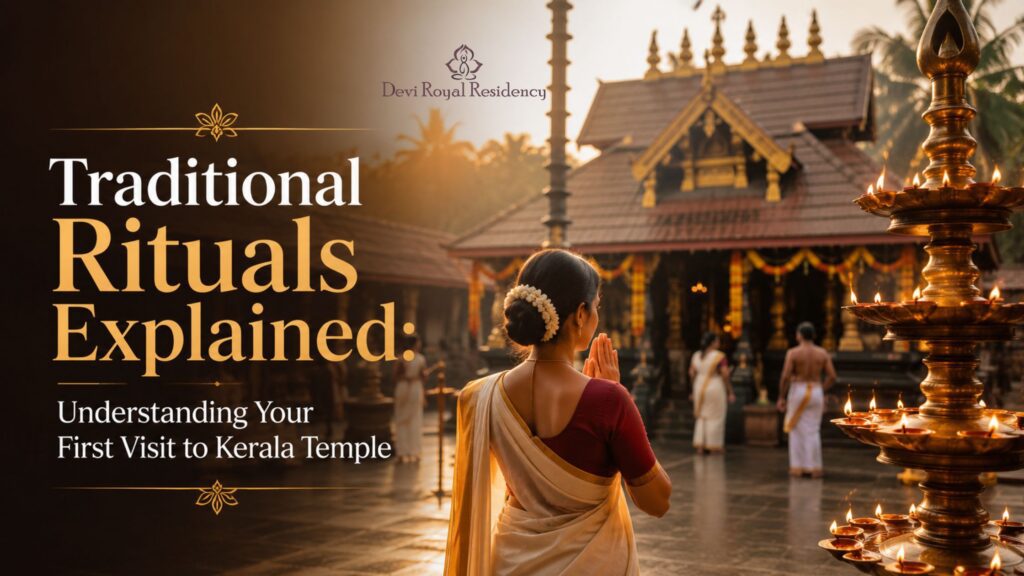
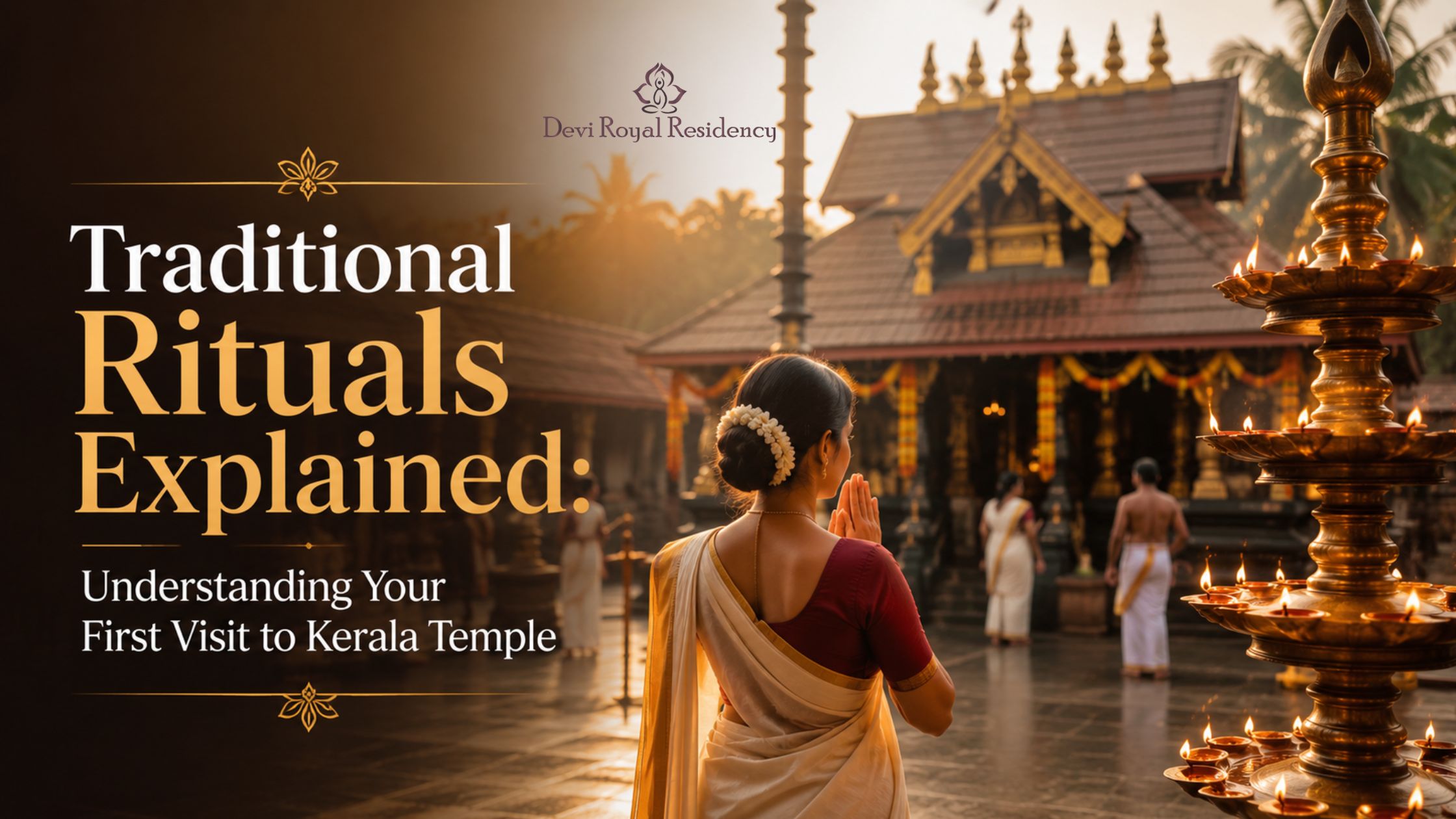
Planning your first visit to a Kerala temple? Kerala temple rituals are an intricate blend of spirituality, culture, and community—drawing over 20 million pilgrims and travelers annually, according to Kerala State Tourism statistics. This guide answers all your questions about what to expect, how to prepare, and the essential etiquette you must know for a truly transformative experience.
What Are Kerala Temple Rituals And Why Are They Unique?
Kerala temple rituals form the spiritual backbone of the state’s Hindu community, setting its traditions apart from the rest of India. These rituals, called poojas and sevas, are performed daily, and often adhere to centuries-old customs. From the rhythmic chanting of Vedic hymns to the elaborate deeparadhana (lamp-lighting) ceremonies, each act is steeped in symbolism.
- Structured Timings: Temples generally open early (as early as 3:30 AM at some shrines) and close by 8:00 PM. Main rituals occur at dawn and dusk.
- Special Occasions: Annual festivals like Utsavams and Poorams see massive participation and unique ritualistic displays.
- Distinctive Rituals: Kerala’s Tantric traditions, Valiya Balipura offerings, and the unique Seeveli (procession of deities on elephants) are just a few highlights.
The seamless blend of devotion, music, and tradition makes Kerala temple rituals a must-experience for anyone seeking to understand the soul of the state.
How To Dress For A Temple Visit? Understanding Dress Code Temple Kerala
Wondering about the appropriate attire for your visit? The dress code temple Kerala is strictly enforced to maintain the sanctity and purity of the sacred space.
- Men: Required to wear a mundu (traditional white dhoti) without shirts, t-shirts, or vests inside the inner sanctum. Upper body clothing may be left in the temple’s cloakroom.
- Women: Sarees, salwar-kameez, or long skirts with a blouse are preferred. Jeans and Western attire are generally discouraged.
- Children: Boys can wear shorts or dhotis, while girls should wear frocks or traditional dresses.
| Attire | Allowed? |
|---|---|
| Mundu (Men) | Yes |
| Saree/Salwar (Women) | Yes |
| Jeans, T-shirts | No |
| Shorts (Men) | No |
| Frocks (Girls) | Yes |
Adhering to the dress code temple Kerala ensures you show respect and avoid being denied entry—a common occurrence for unprepared tourists.
What Is Pilgrimage Etiquette Cherthala? Key Do’s And Don’ts
Pilgrimage etiquette Cherthala is rooted in humility, discipline, and harmony. Whether you’re visiting a famed temple like the Karthyayani Devi Temple or a smaller shrine in Cherthala, following local etiquette is crucial.
- Remove footwear before entering the temple premises.
- Speak softly—temples are zones of peace and contemplation.
- Do not bring leather items or cameras unless permitted.
- Wait in orderly queues, especially during darshan (viewing the deity).
- Do not touch the idols or the priests unless blessed to do so.
- Offerings should be made at designated counters only.
Observing proper pilgrimage etiquette Cherthala not only shows respect for local traditions but also enhances your spiritual experience.
How To Navigate The West Nada Temple And Other Entrances?
Many ancient Kerala temples, such as the West Nada temple entrance, are designed with specific directional gates. “Nada” means “gateway,” and the West Nada temple entrance is often used for special rituals or processions.
- West Nada: Traditionally, the main entrance for devotees, especially during festivals and processions.
- East Nada: Used for specific rituals or VIP entries.
- North/South Nada: Occasionally open for circumambulation or exit.
Knowing which entrance to use can save you time and confusion, especially during crowded festival days. The West Nada temple entrance, in particular, is significant for its historical and ritualistic importance.
Which Lesser-Known Temples Should You Explore In Kerala?
While Sabarimala and Guruvayur are world-renowned, Kerala has a treasure trove of lesser-known temples that offer an unfiltered spiritual experience:
- Kaviyoor Mahadeva Temple (Pathanamthitta): Famed for its wooden carvings and ancient Shiva worship.
- Thiruvalla Sree Vallabha Temple (Thiruvalla): Known for its unique rituals and architectural splendor.
- Chengannur Mahadeva Temple (Alappuzha): Features the rare menstruation festival of the Goddess, symbolizing fertility and womanhood.
- Thirumandhamkunnu Bhagavathy Temple (Malappuram): A center for Tantric rituals and folk performances.
- Vazhappally Maha Siva Temple (Changanassery): Believed to be one of the 108 Shiva temples consecrated by sage Parasurama.
Each temple, with its own specific Kerala temple rituals and regional customs, provides a unique glimpse into Kerala’s spiritual diversity.
Why Is Staying At Devi Royal Residency Ideal For Temple Pilgrims?
Choosing the right accommodation can make or break your pilgrimage. Devi Royal Residency, located in Cherthala Allepey, is the ideal base for exploring the spiritual heartland of Kerala. Here’s why:
- Strategic Location: Minutes from major temples like Karthyayani Devi and Varanad Devi, plus easy access to lesser-known gems in the region.
- Comfort For Every Traveler: Spacious, well-appointed rooms available for both short-term and long-term stays.
- Unique Selling Point: Every room at Devi Royal Residency features a fully equipped in-room kitchen—perfect for those who prefer to prepare their own food or follow specific dietary restrictions during pilgrimage.
- Warm Hospitality: Local hosts with in-depth knowledge of Kerala temple rituals and pilgrimage etiquette Cherthala, ready to assist you with temple timings, dress code, and transportation.
- Peaceful Ambience: Designed for relaxation and reflection, away from the hustle and bustle of tourist hotspots.
Missing out on Devi Royal Residency means missing out on comfort, convenience, and an authentic temple experience in Cherthala. Why compromise your spiritual journey when you can enjoy the best of tradition and modern amenities under one roof?
What Steps Should You Take To Prepare For Your First Temple Visit?
Preparation is key to a fulfilling Kerala temple experience. Here’s a step-by-step checklist to make your visit smooth and respectful:
- Research The Temple: Check official websites for specific timings, Kerala temple rituals, and any special dress code temple Kerala requirements.
- Plan Your Attire: Pack traditional clothing; ensure your dress code temple Kerala matches the temple’s expectations.
- Arrange Local Transport: Many temples are best accessed by auto-rickshaw or cabs. Ask your host at Devi Royal Residency for reliable contacts.
- Observe Fasting Or Ritual Cleanliness: Some temples require you to fast, avoid non-vegetarian food, or bathe before entry.
- Carry Offerings: Fruits, coconuts, or flowers are commonly accepted. Confirm with the temple or your hotel staff.
- Stay Informed: Follow pilgrimage etiquette Cherthala for a respectful and enriching experience.
How Do Kerala Temple Rituals Foster Community And Spirituality?
Kerala temple rituals are not just religious observances—they are powerful tools for social cohesion. Festivals such as Thrissur Pooram or Attukal Pongala draw participants across castes and communities, reinforcing Kerala’s rich tapestry of inclusivity.
- Daily annadanam (free meals) for devotees, regardless of social background.
- Joint participation in processions, music, and dance, strengthening communal bonds.
- Opportunities for spiritual growth through meditation, chanting, and acts of service.
The deep-rooted values of inclusivity and collective celebration make every Kerala temple visit a memorable encounter with the state’s living heritage.
About Devi Royal Residency
Contact: www.deviroyalresidency.com | +91-9876543210
Summary Table: Kerala Temple Traditions At A Glance
| Aspect | Key Details |
|---|---|
| Ceremonies | Daily poojas, lamp-lighting, festivals, circumambulation |
| Dress Code | Traditional attire only; strict enforcement |
| Etiquette | Remove footwear, maintain silence, follow queues |
| Entrances | Use West Nada temple and other gates as per custom |
| Accommodation | Devi Royal Residency—private kitchens, close to temples |
Final thoughts: Embracing Kerala’s Sacred Traditions
Your first Kerala temple visit is more than a sightseeing trip—it’s a deep dive into a world where faith, art, and community intertwine. By respecting Kerala temple rituals, following dress code temple Kerala, and observing pilgrimage etiquette Cherthala, you unlock a richer, more meaningful journey.
And with Devi Royal Residency as your home base, you ensure comfort, convenience, and a warm welcome at every step. Don’t settle for less—immerse yourself in Kerala’s living heritage, and let your pilgrimage become a cherished memory for life.
Frequently Asked Questions
What should I know before experiencing Kerala temple rituals for the first time?
Kerala temple rituals are steeped in centuries-old customs and spiritual practices. As a first-time visitor, it’s important to observe silence, follow the crowd for cues, and respect the sanctity of the space. Most temples perform daily poojas, processions, and offerings. Devi Royal Residency provides guests with a brief orientation and printed guides so you can truly appreciate the meaning behind each ritual and participate respectfully during your pilgrimage.
Is there a specific dress code temple Kerala follows, and how can I prepare?
Absolutely! The dress code temple Kerala adheres to is generally traditional and modest. Men are usually required to wear mundu (a type of dhoti) without shirts inside the sanctum, while women should wear sarees, salwar kameez, or long skirts with modest tops. Shorts, jeans, and revealing clothing are strictly not allowed. Devi Royal Residency can help arrange for appropriate attire, and our staff will guide you on what to wear for your temple visit.
How can I ensure I’m observing correct pilgrimage etiquette Cherthala temples expect?
Pilgrimage etiquette Cherthala temples expect includes removing your footwear before entering, maintaining silence, not touching idols, and avoiding photography unless permitted. Devotees should also queue patiently and follow the temple staff’s instructions. Devi Royal Residency provides detailed etiquette checklists and even offers guided visits to help you navigate these sacred spaces respectfully and confidently.
What makes the rituals at West Nada temple unique?
The West Nada temple is renowned for its elaborate daily rituals and festive celebrations, especially during Utsavams (festivals). The temple’s entry through the ‘West Nada’ (western gate) itself is considered auspicious. Rituals here blend Vedic chants, lamp-lighting, and flower offerings, creating a mesmerizing spiritual atmosphere. If you are staying at Devi Royal Residency, our concierge can arrange a guided tour to help you understand the deeper significance of the rituals performed at this revered temple.
Are there any restrictions on bringing items inside Kerala temples?
Yes, most Kerala temples restrict the entry of leather goods, cameras, mobile phones, and outside food. It’s also customary to avoid carrying bags inside the sanctum. Devi Royal Residency offers secure lockers and advice on what to bring or leave behind, ensuring your visit is smooth and in line with temple regulations.
How do I participate in special poojas or festivals as a guest?
Participating in special poojas or temple festivals can be a memorable experience. Bookings or advance offerings are sometimes required, especially during popular events. Devi Royal Residency assists guests with pooja bookings, festival schedules, and even arranges for traditional offerings or prasadam if you wish to take part actively.
Can I get assistance if I’m unsure about the Kerala temple rituals or language barriers?
Of course! Devi Royal Residency’s staff is well-versed in both English and local languages and can answer your questions about Kerala temple rituals. We also offer local guides who can accompany you to ensure you feel comfortable throughout your visit, understand the proceedings, and help with translations if needed.
What facilities does Devi Royal Residency provide for temple visitors?
Devi Royal Residency offers a range of amenities for temple visitors, including early check-in/late check-out, transportation to major temples, traditional Kerala meals, attire assistance, secure storage for valuables, and personalized guides for temple tours. Our team is always ready to customize your stay according to your spiritual itinerary and comfort.
How do I plan a temple circuit around Cherthala and nearby areas?
Planning a temple circuit can be overwhelming, especially with so many historic temples in and around Cherthala. Devi Royal Residency can help you curate a personalized temple tour, covering key sites such as the West Nada temple, and provide transportation, guides, and cultural insights. Just let our front desk know your interests, and we’ll ensure your pilgrimage is seamless and enriching.