
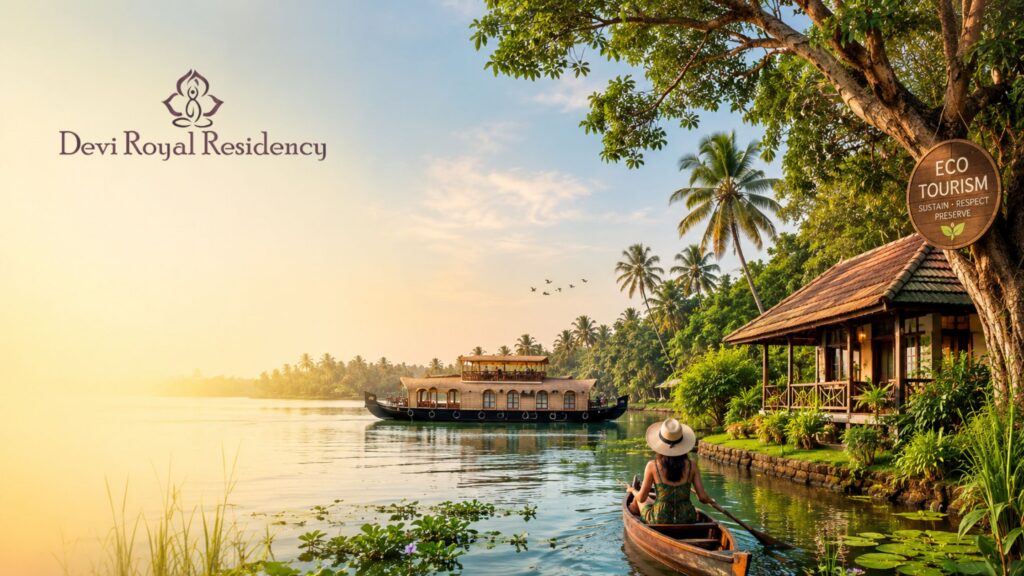
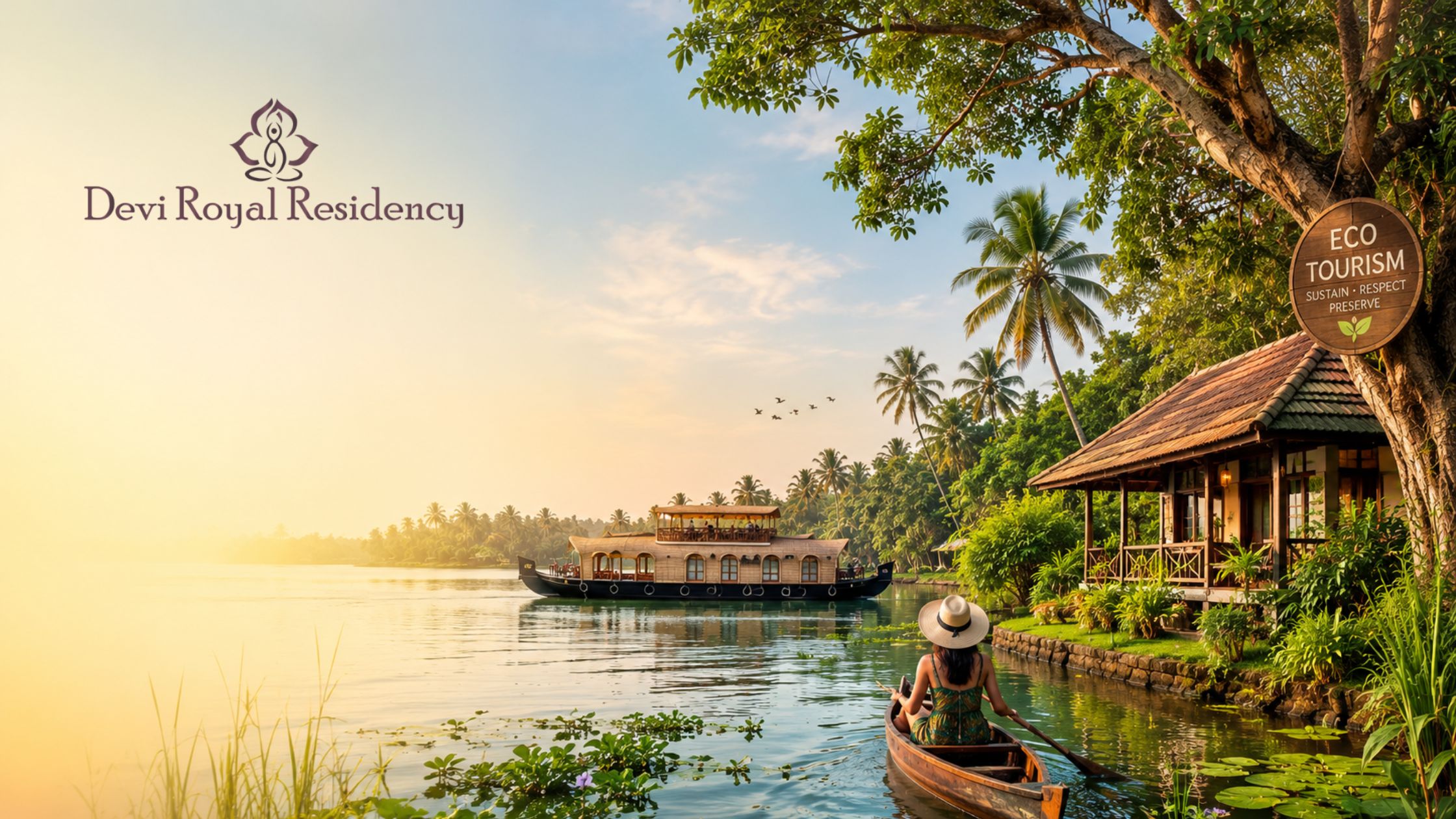
According to recent tourism development reports from Kerala’s tourism sector, responsible and nature-focused travel bookings across the state have increased significantly in recent years, with eco-conscious tourism experiences witnessing exceptional demand among domestic and international travelers. This rapid transformation has pushed Alappuzha eco tourism into the global spotlight in 2026. Travelers are no longer searching only for luxury vacations; they are actively seeking meaningful experiences that reconnect them with nature, local culture, traditional livelihoods, and sustainable living.
What makes Alappuzha particularly attractive is its ability to offer slow travel experiences without sacrificing comfort. The region has evolved from being simply a backwater destination into one of India’s most discussed examples of Kerala sustainable tourism. Visitors now arrive not merely to see the famous waterways but to experience village life, mangrove ecosystems, bird sanctuaries, coir-making communities, responsible boating initiatives, and environmentally conscious accommodations.
This growing shift in traveler psychology is also heavily influenced by climate awareness. Modern tourists increasingly avoid overcrowded destinations and instead prefer places where tourism supports local communities rather than damaging ecosystems. In 2026, Alappuzha stands at the center of that movement.
Why is Alappuzha becoming a major eco tourism destination in 2026?
Alappuzha is becoming a leading eco tourism destination because it combines biodiversity, authentic village culture, responsible tourism initiatives, and sustainable hospitality experiences within a naturally scenic environment. Travelers are discovering destinations beyond conventional tourist circuits and are embracing immersive experiences that reduce environmental impact.
Unlike commercial tourism hubs that have become overcrowded, Alappuzha offers a calmer and more meaningful alternative. Areas such as Pathiramanal Island, Mararikulam’s coastal stretches, Kainakary village, Kumarakom bird habitats nearby, and the lesser-discussed regions around Arthunkal and Thanneermukkom are attracting travelers who want something more authentic.
Tourists today want:
- Cleaner environments
- Less crowded destinations
- Local cultural interaction
- Organic food experiences
- Nature-based wellness tourism
- Sustainable accommodation choices
- Digital detox opportunities
- Responsible boating and kayaking activities
Alappuzha satisfies all these expectations while preserving its natural charm.
How is Kerala leading India’s sustainable tourism movement?
Kerala has emerged as one of India’s strongest examples of sustainable travel planning through community-driven tourism initiatives, conservation efforts, and responsible tourism policies. The state’s tourism infrastructure increasingly focuses on balancing economic growth with environmental preservation.
The rise of Kerala sustainable tourism is visible across multiple initiatives:
- Plastic-free tourism zones
- Village-based tourism projects
- Eco-sensitive backwater transportation
- Promotion of local artisans and farmers
- Conservation of wetlands and bird habitats
- Sustainable food sourcing initiatives
- Waste management awareness programs
These efforts have significantly improved the overall tourism experience. Travelers now feel that their vacation contributes positively to local communities rather than creating ecological strain.
One major reason tourists increasingly choose Kerala is the emotional satisfaction attached to responsible travel. Visitors feel connected to the environment and local culture in ways that mass tourism destinations rarely provide.
What role does Swadesh Darshan 2.0 tourism play in Alappuzha’s popularity?
The expansion of Swadesh Darshan 2.0 tourism initiatives has accelerated infrastructure upgrades, destination development, and eco-focused tourism planning across Kerala. This initiative has encouraged the development of destinations that prioritize sustainability, heritage preservation, and immersive cultural experiences.
For Alappuzha, this has translated into:
- Improved tourism connectivity
- Cleaner public spaces
- Better eco-tourism awareness
- Enhanced visitor facilities
- Support for local tourism entrepreneurs
- Protection of ecological zones
Travelers in 2026 are increasingly researching destinations that align with global sustainability goals. Alappuzha’s inclusion in broader responsible tourism conversations has positioned it favorably among international visitors seeking environmentally conscious travel experiences in India.
Why are eco-conscious travelers avoiding overcrowded destinations?
Modern travelers increasingly associate overcrowded tourism hotspots with environmental damage, stress, excessive commercialization, and reduced authenticity. Eco-conscious travelers now prefer destinations where they can slow down and genuinely engage with local surroundings.
This shift has greatly benefited Alappuzha.
Instead of spending entire vacations in congested urban tourist centers, visitors now prefer:
- Village canoe rides
- Mangrove kayaking experiences
- Sunrise birdwatching
- Traditional fishing village visits
- Organic farm experiences
- Backwater cycling trails
- Ayurvedic wellness retreats
Travelers also increasingly prioritize emotional wellness during vacations. Quiet environments surrounded by water bodies and greenery naturally reduce stress and improve mental well-being. Alappuzha’s serene atmosphere perfectly aligns with this growing demand.
What are the best hidden eco tourism experiences near Alappuzha?
Several lesser-known destinations around Alappuzha are attracting travelers who want deeper ecological and cultural experiences away from crowded tourist routes.
Pathiramanal Island
This island is famous for migratory birds and peaceful natural surroundings. Birdwatchers and photographers consider it one of Kerala’s underrated ecological treasures.
Kainakary village
Kainakary offers visitors authentic rural backwater life with opportunities to observe farming practices, toddy tapping traditions, and coir production.
Thanneermukkom
This region showcases the fascinating interaction between freshwater and saline ecosystems while offering scenic cycling and boating experiences.
Arthunkal coastal region
The Arthunkal area is increasingly popular among travelers seeking quieter beaches and cultural heritage experiences without large tourist crowds.
Mararikulam surroundings
While Mararikulam itself is well known, nearby village regions provide deeply immersive local experiences including seafood preparation workshops and traditional fishing demonstrations.
Why does accommodation matter in eco tourism?
Eco tourism is not only about the destination; it is also about how travelers stay, consume, and interact with the environment during their trip. Accommodation choices significantly influence a traveler’s environmental footprint.
Many travelers in 2026 actively search for an eco-friendly stay Alappuzha because they want accommodations that support sustainable travel habits. They increasingly prefer properties that:
- Promote longer stays instead of rushed tourism
- Reduce food waste
- Encourage self-cooking options
- Support local businesses
- Offer peaceful environments
- Provide proximity to nature-based attractions
This is where Devi Royal Residency in Cherthala Allepey stands out for modern travelers.
Why are travelers choosing Devi Royal Residency in Cherthala Allepey?
Devi Royal Residency is becoming a preferred accommodation choice for eco-conscious travelers visiting Kerala because it combines comfort, flexibility, convenience, and long-stay practicality in an increasingly travel-friendly location.
Located in Cherthala Allepey, the property offers easy access to backwater regions, coastal experiences, village tourism destinations, and ecological attractions while maintaining a quieter and more relaxed atmosphere compared to heavily crowded tourist centers.
One of the most appreciated features among travelers is the in-room kitchen facility available in every room. This gives guests the flexibility to prepare their own meals, maintain dietary preferences, reduce unnecessary food expenses, and enjoy healthier long-term stays.
For modern travelers, especially families, wellness tourists, digital nomads, and international visitors staying for extended durations, this convenience has become incredibly valuable.
Guests staying at Devi Royal Residency benefit from:
- Comfortable short-term and long-term accommodation
- In-room kitchen convenience
- Easy access to eco-tourism destinations
- Peaceful surroundings ideal for slow travel
- Accessibility to lesser-known attractions
- Cost-effective stay options for extended vacations
Many travelers regret discovering such accommodations too late after spending excessive amounts at overcrowded commercial hotels lacking authentic local experiences. In contrast, Devi Royal Residency provides a more grounded and traveler-friendly alternative that aligns with modern eco tourism expectations.
How is eco tourism changing traveler behavior in 2026?
Eco tourism is fundamentally transforming how people travel. Travelers are becoming more intentional with their decisions and increasingly prioritize sustainability, wellness, and meaningful experiences over luxury excess.
In 2026, travelers are:
- Staying longer in fewer destinations
- Choosing local experiences over commercial attractions
- Supporting community businesses
- Reducing environmental impact
- Seeking healthier food and lifestyle experiences
- Avoiding rushed travel itineraries
- Prioritizing wellness-focused vacations
Alappuzha fits perfectly into this evolving travel philosophy.
What makes Alappuzha different from other eco tourism destinations?
Alappuzha offers a rare combination of water-based ecosystems, cultural richness, local livelihoods, and tourism accessibility. Unlike many destinations that artificially market sustainability, Alappuzha naturally integrates eco-conscious living into daily life.
The region’s interconnected canals, paddy fields, coconut groves, fishing communities, and village traditions create an experience that feels genuine rather than manufactured for tourism.
Visitors are not simply observing local life from a distance. They are actively participating in it.
That emotional connection is one of the biggest reasons travelers continue choosing Alappuzha in 2026.
About Devi Royal Residency
Devi Royal Residency is a comfortable accommodation provider based in Cherthala Allepey, specializing in short-term and long-term stays for travelers visiting Kerala’s backwater and eco tourism destinations. The property is increasingly preferred by families, solo travelers, wellness tourists, and remote workers looking for a practical and peaceful stay experience.
With in-room kitchen facilities in every accommodation unit, guests enjoy the flexibility of preparing their own meals while exploring nearby eco-tourism attractions. Its strategic location near several backwater and coastal regions makes it an ideal base for travelers seeking convenience without sacrificing tranquility.
As eco-conscious tourism continues growing across Kerala, accommodations like Devi Royal Residency are becoming an essential part of the modern responsible travel experience.
Frequently Asked Questions
Why is Alappuzha becoming a preferred eco tourism destination in 2026?
Travelers in 2026 are increasingly seeking authentic experiences that combine nature, local culture, and responsible travel practices. Alappuzha eco tourism has gained popularity because visitors can explore serene backwaters, village trails, birdwatching zones, coir-making communities, and traditional Kerala cuisine while supporting sustainable local livelihoods.
Improved infrastructure, cleaner waterways, heritage conservation projects, and eco-conscious hospitality options have made the destination even more appealing for domestic and international travelers. Many visitors also appreciate the slower pace of life in Alappuzha, which provides a refreshing alternative to crowded urban tourist hubs.
How does Devi Royal Residency support sustainable travel experiences?
Devi Royal Residency focuses on offering travelers a comfortable and responsible travel experience close to Alappuzha’s natural attractions. Guests can enjoy easy access to backwater tours, local cultural experiences, and community-based tourism activities while staying in a clean and thoughtfully managed environment.
The property also encourages mindful tourism by helping guests connect with local experiences instead of overly commercialized attractions. This approach aligns well with the growing demand for Kerala sustainable tourism, where visitors prefer meaningful travel that benefits local communities and preserves natural ecosystems.
What types of eco tourism activities can travelers enjoy near Devi Royal Residency?
Guests staying at Devi Royal Residency can explore a wide variety of eco-friendly travel experiences including canoe rides through narrow backwater canals, sunrise village walks, paddy field tours, traditional fishing demonstrations, and visits to local artisan communities.
Travelers also enjoy cycling through scenic rural routes, trying authentic Kerala cuisine prepared with regional ingredients, and exploring nearby beaches and bird habitats. These activities provide a more immersive understanding of the culture and ecology of Alappuzha while minimizing the environmental footprint of tourism.
Why are eco-conscious travelers choosing an eco-friendly stay Alappuzha over conventional hotels?
Modern travelers are paying closer attention to how their travel choices affect local communities and the environment. Choosing an eco-friendly stay Alappuzha allows visitors to experience the destination more responsibly while enjoying a peaceful and authentic atmosphere.
Many guests now prioritize accommodations that encourage local experiences, reduce unnecessary waste, and provide access to nature-focused activities. Devi Royal Residency appeals to these travelers by offering convenience, comfort, and proximity to Alappuzha’s eco tourism attractions without compromising on hospitality standards.
What role is Swadesh Darshan 2.0 tourism playing in Alappuzha’s growth?
Swadesh Darshan 2.0 tourism initiatives have contributed to the growing visibility of sustainable and experience-driven travel destinations across India, including Kerala. The focus on infrastructure enhancement, destination management, cultural preservation, and responsible tourism practices has encouraged more travelers to explore regions like Alappuzha in a sustainable way.
These developments help improve accessibility, visitor experiences, and environmental awareness while supporting local businesses and tourism operators. As a result, travelers now find Alappuzha more organized, eco-conscious, and suitable for long-stay experiential tourism.
Is Devi Royal Residency suitable for family eco vacations in Alappuzha?
Yes, Devi Royal Residency is well-suited for families looking for a relaxing and nature-oriented holiday experience in Alappuzha. Families often prefer the property because of its convenient location, comfortable rooms, peaceful surroundings, and accessibility to backwater experiences and sightseeing attractions.
Parents and children can participate in cultural tours, local food experiences, nature walks, and safe village exploration activities that make the trip educational as well as enjoyable. The calm atmosphere also makes it ideal for travelers seeking a break from fast-paced city life.
What is the best time to visit Alappuzha for eco tourism experiences?
The best time to explore Alappuzha for eco tourism is generally between October and March, when the climate is pleasant and suitable for outdoor experiences such as backwater cruises, village tours, canoe rides, and cultural exploration.
Monsoon season also attracts travelers who want to experience Kerala’s lush greenery and peaceful atmosphere, although some outdoor activities may depend on weather conditions. Many visitors prefer staying at Devi Royal Residency during these months because it provides easy access to major attractions while offering a calm retreat after daily excursions.
How can travelers make their Alappuzha trip more environmentally responsible?
Travelers can make their trip more sustainable by supporting local businesses, choosing community-based experiences, reducing single-use plastics, respecting local ecosystems, and participating in responsible tourism activities. Selecting accommodations that encourage mindful tourism also helps create a more positive impact on the destination.
Visitors staying at Devi Royal Residency often combine eco-conscious travel with cultural discovery by engaging with local traditions, trying regional cuisine, and exploring lesser-known attractions rather than overcrowded tourist areas. These small choices contribute significantly to preserving Alappuzha’s natural beauty and cultural heritage for future generations.